Novel therapies for rare and underserved disease
Four innovative programs spanning IND-cleared, preclinical, and discovery-stage development.
Acute respiratory distress syndrome
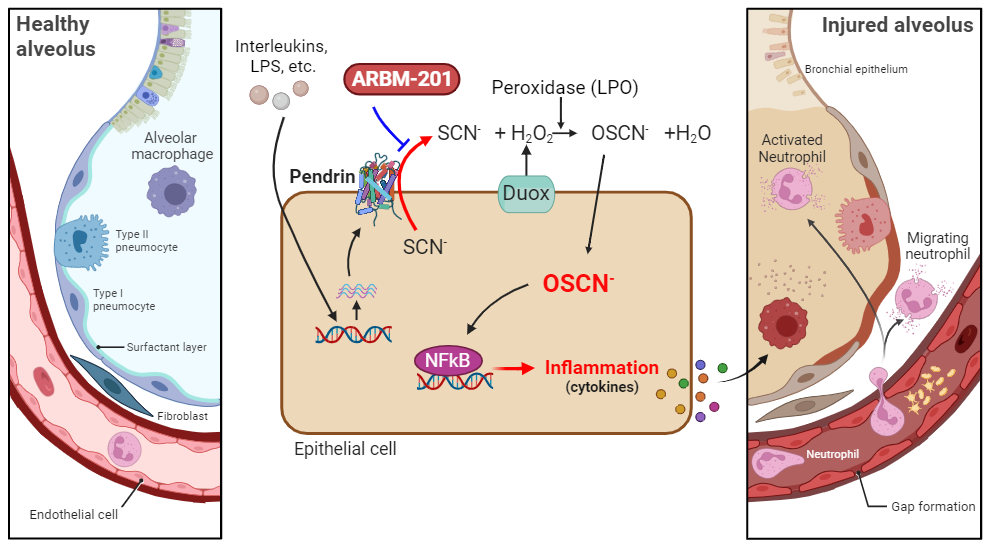
ARDS is a severe acute lung injury with no approved therapy that directly targets the underlying inflammatory mechanism. ARBM-201 is designed to inhibit pendrin activity and reduce extracellular OSCN⁻ generation, downstream inflammatory signaling and lung injury.
Mechanism of action
ARBM-201 inhibits pendrin-mediated SCN⁻ export from alveolar epithelial cells. Extracellular SCN⁻ is converted to OSCN⁻ by the LPO/H₂O₂ system, after which OSCN⁻ re-enters the epithelial cell and activates NF-κB signaling. By inhibiting pendrin activity, ARBM-201 is designed to reduce this inflammatory cascade.
Proof of concept
Pendrin is overexpressed in both LPS-induced mouse airways and bronchoalveolar lavage fluid from ARDS patients. Pendrin inhibition significantly reduced lung injury scores, protein leakage, and inflammatory markers in acute lung injury models.
Expansion potential
The same mechanism shows signal in OVA-induced asthma models, suggesting pendrin inhibition may extend to a broader set of inflammatory respiratory diseases beyond ARDS.
Scientific overview & preclinical evidence
Mechanism of pendrin inhibition and efficacy data from the LPS-induced acute lung injury model.
ARBM-201 Mechanism of Action
ARBM-201 Preclinical Evidence
Lung inflammation
LPS-induced acute lung injury (mouse) · ARBM-201 IV post-treatment 0.5–10 µg/kg vs. dexamethasone 3 mg/kg
ARBM-201 reduced BALF cell counts and protein leakage at all doses, and pro-inflammatory cytokines (IL-1β, MIP-2, IL-6, TNF-α) at 1.0 and 10 µg/kg.
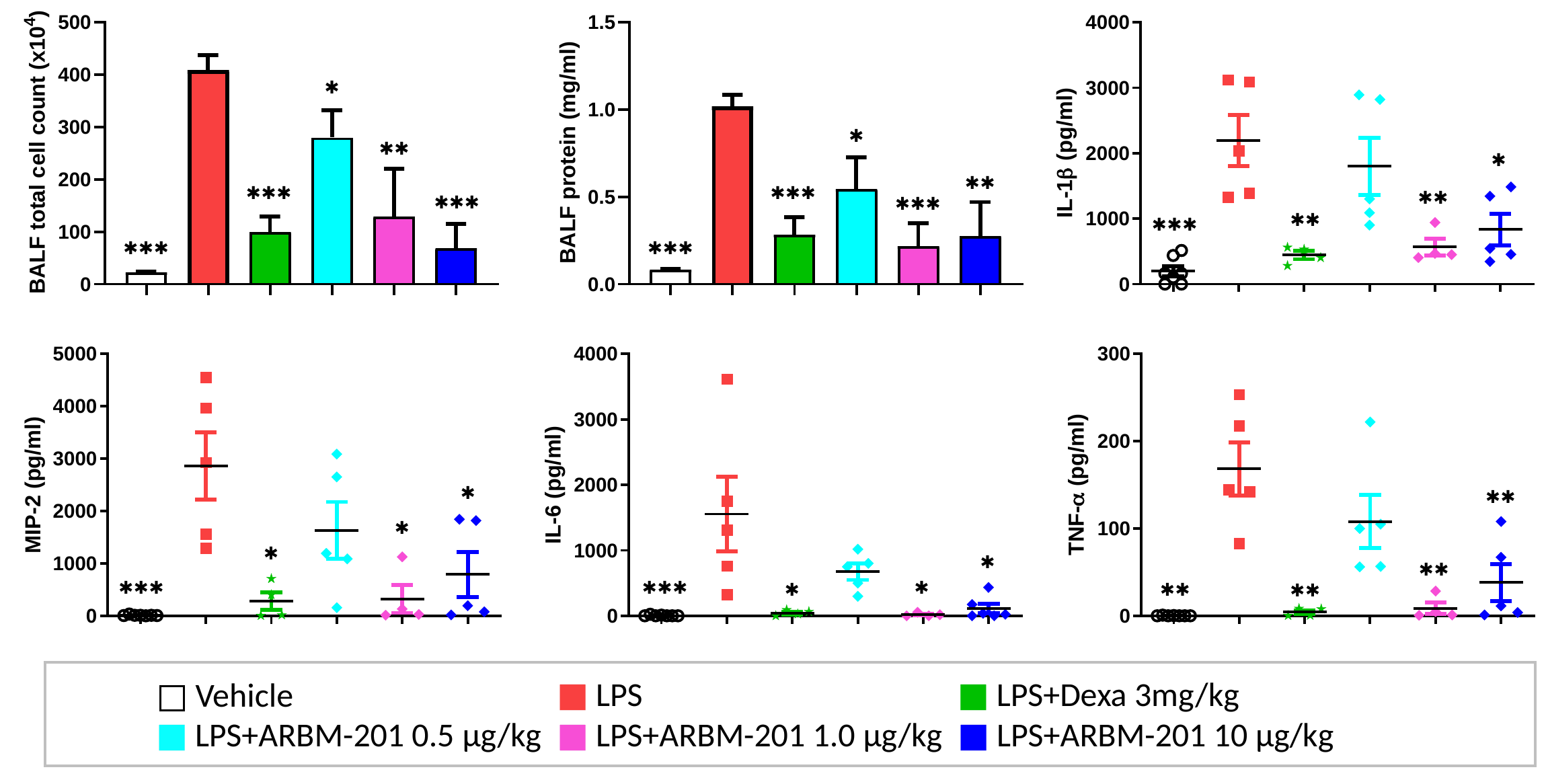
Statistics: *p<0.05, **p<0.01, ***p<0.001: statistically significance (one-way ANOVA with Bonferroni's post hoc test)
Lung tissue injury
LPS-induced acute lung injury (mouse) · H&E lung tissue staining (×400)
ARBM-201 significantly reduced lung injury score and leukocyte infiltration after LPS exposure (1.0 and 10 µg/kg).
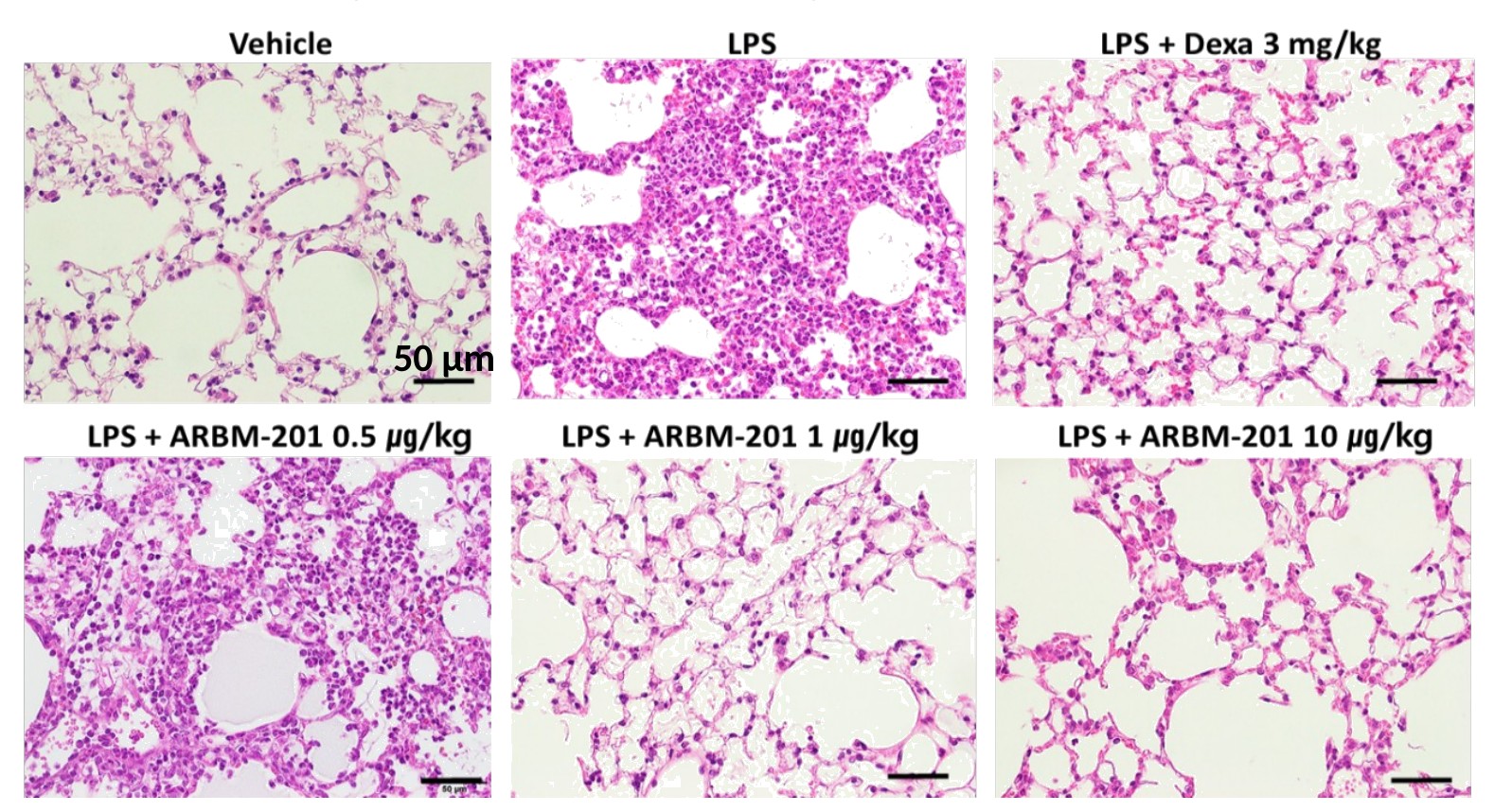
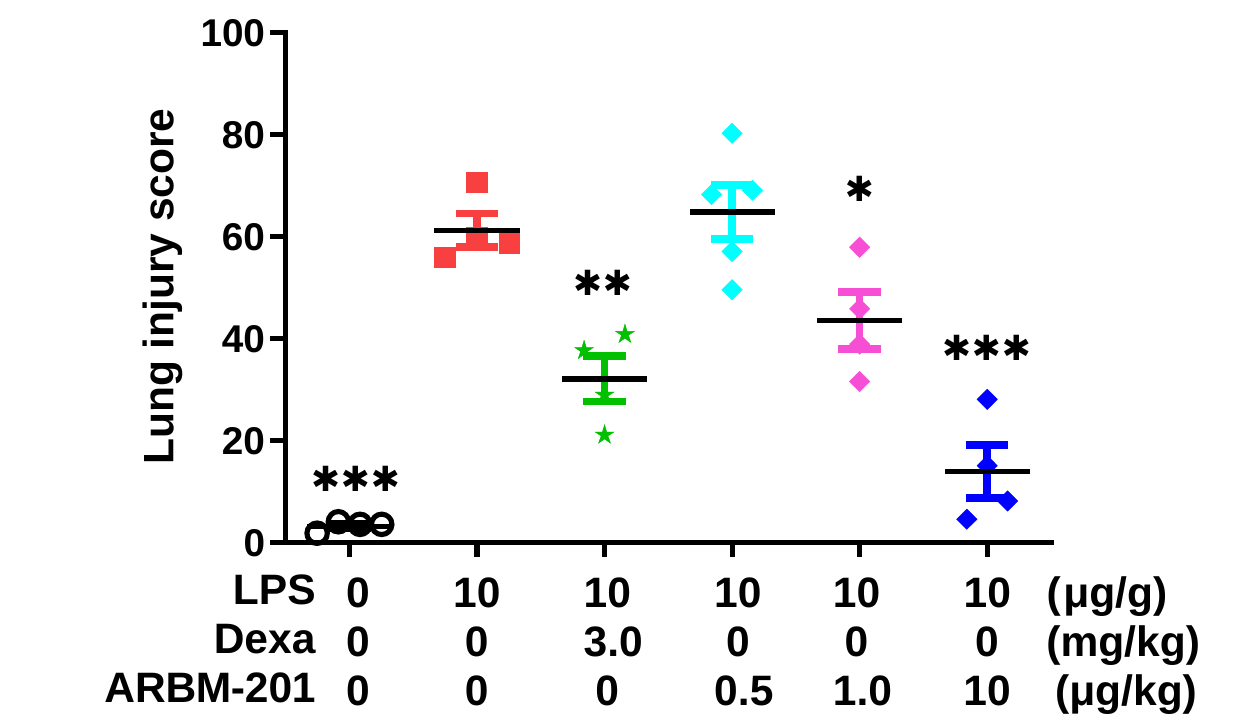
Statistics: *p<0.05, **p<0.01, ***p<0.001: statistically significance (one-way ANOVA with Bonferroni's post hoc test)
NF-κB pathway inhibition
NF-κB reporter (NF-κB/SPC-Cre) mice · IVIS imaging of whole lungs
ARBM-201 significantly reduced LPS-induced NF-κB activation in the lung — consistent with the proposed pendrin-mediated mechanism of action.
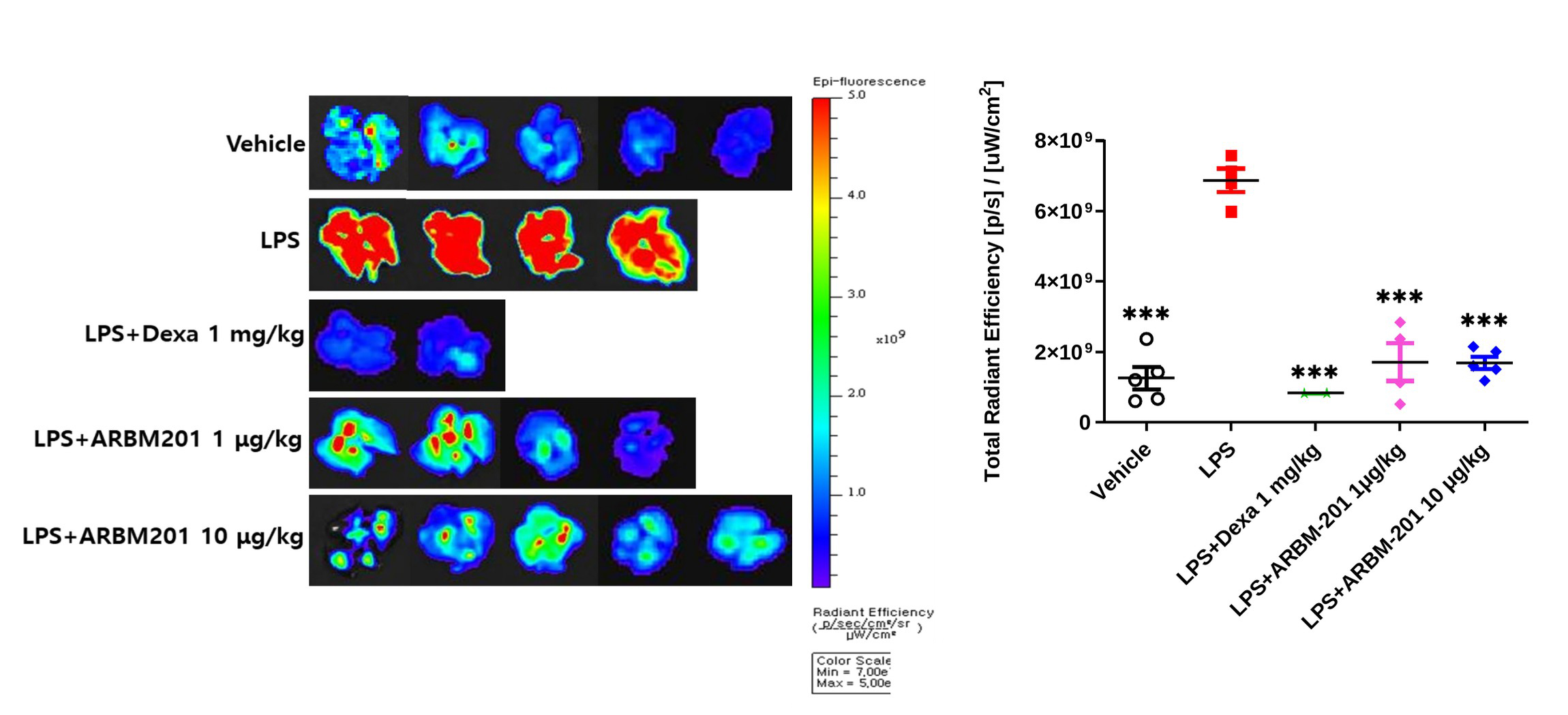
Statistics: *p<0.05, **p<0.01, ***p<0.001 (one-way ANOVA with Bonferroni's post hoc test). IVIS fluorescence is presented as radiant efficiency. Figures are reproduced from the original study data without modification.